
Listed on Outdoorsy
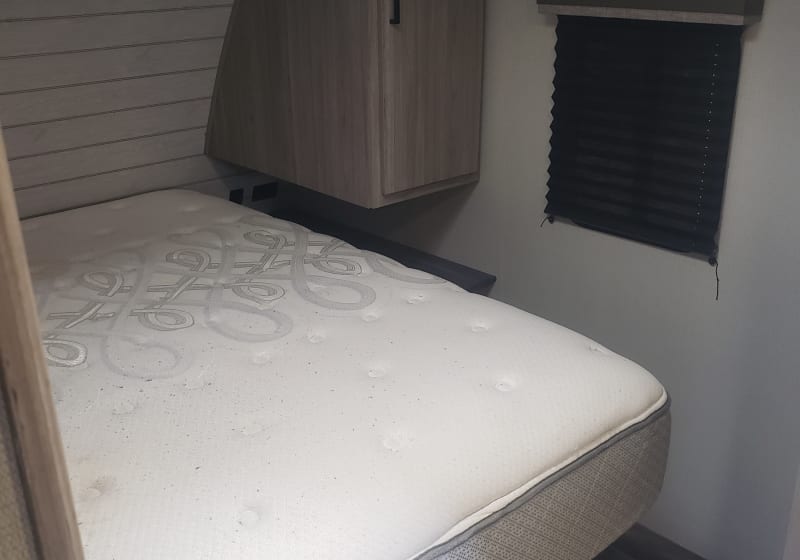
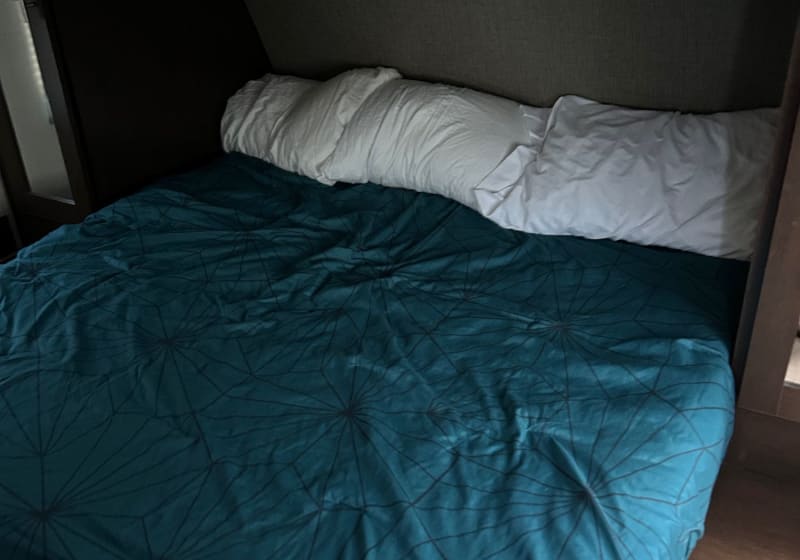
2021 Keystone Passport
From $240 /night before fees

Colorado RV rentals
Bumper-pull trailers in every size, from small couples' trailers to family bunkhouses.
A travel trailer is a towable RV that hitches to a ball mount on the back of a pickup or SUV. Sizes run from small trailers for two to long family floor plans with bunks and slide-outs.
Check your vehicle's towing capacity against the trailer's loaded weight before you book, and plan for Colorado's mountain grades. Once parked, you can unhitch and use your vehicle for day trips. Or book directly with RVRents™ and add delivery, so you never tow it at all.
Book directly with RVRents, with delivery on RVs marked Delivery available, or rent from local owners on Outdoorsy.
Picked up from the owner; RVRents delivery and services are not included. Nightly rates from our last check.
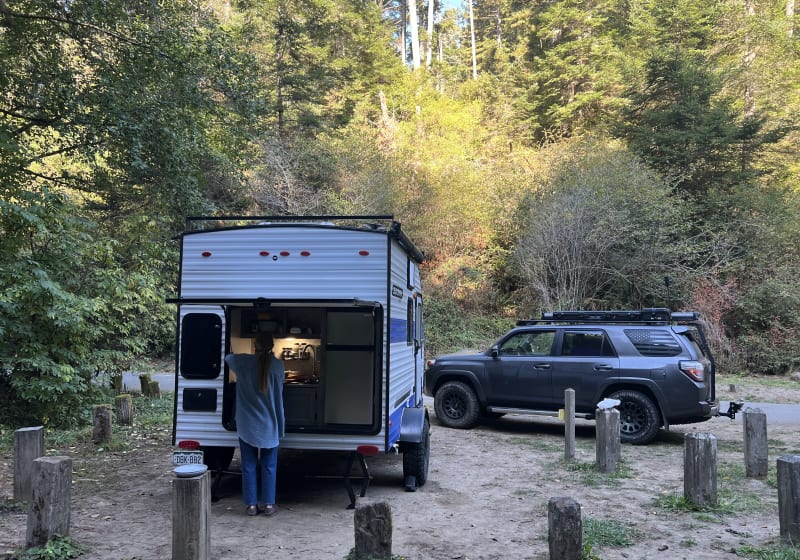
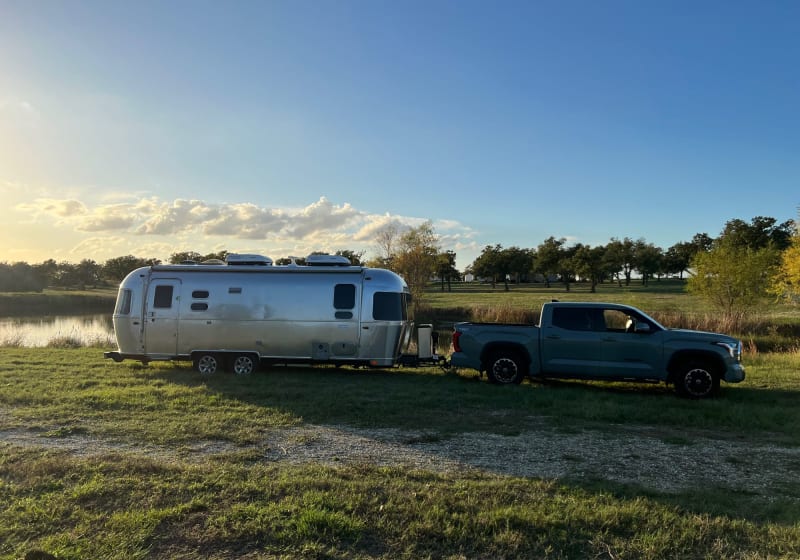

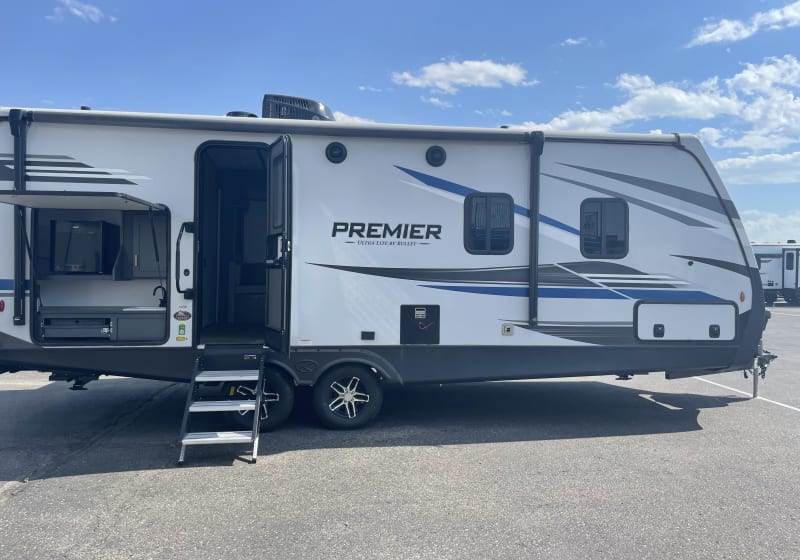

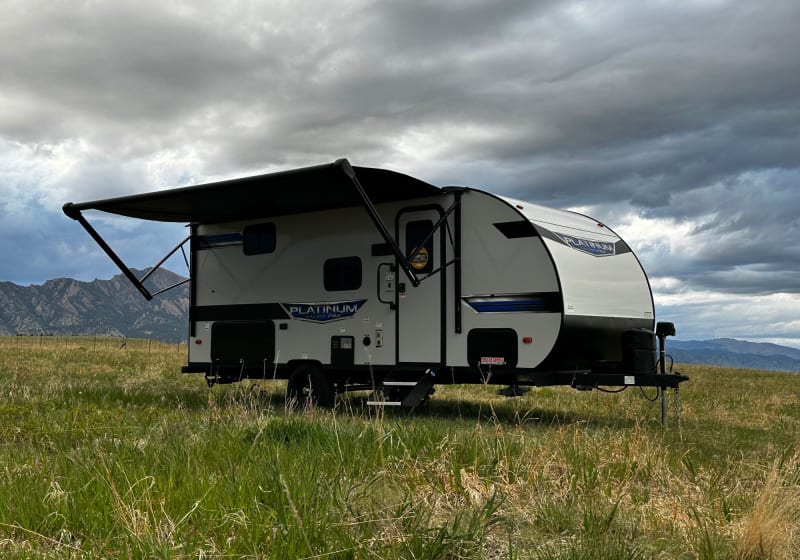
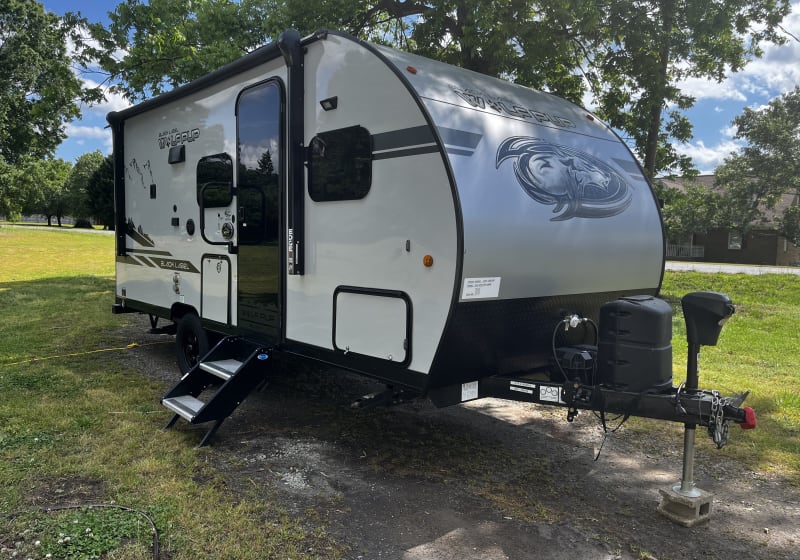
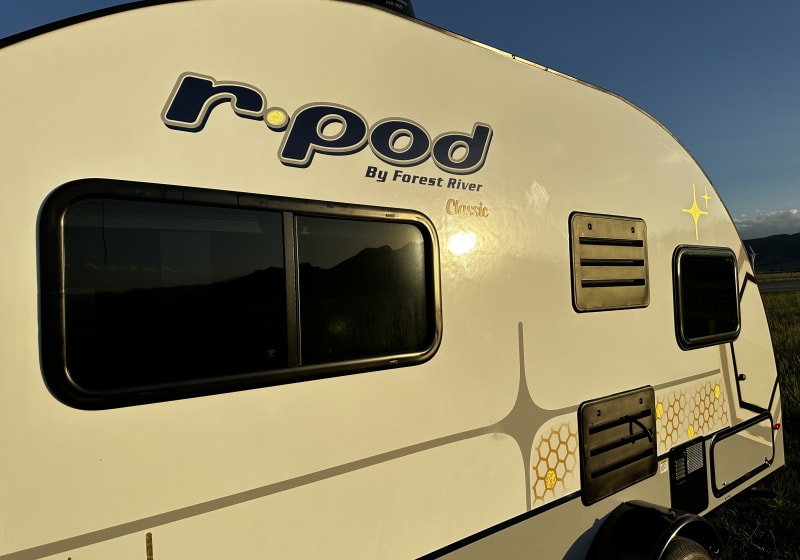
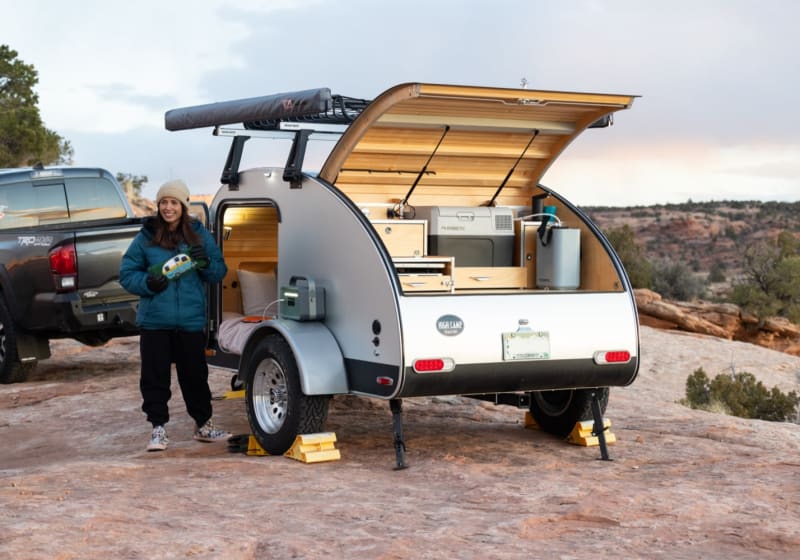
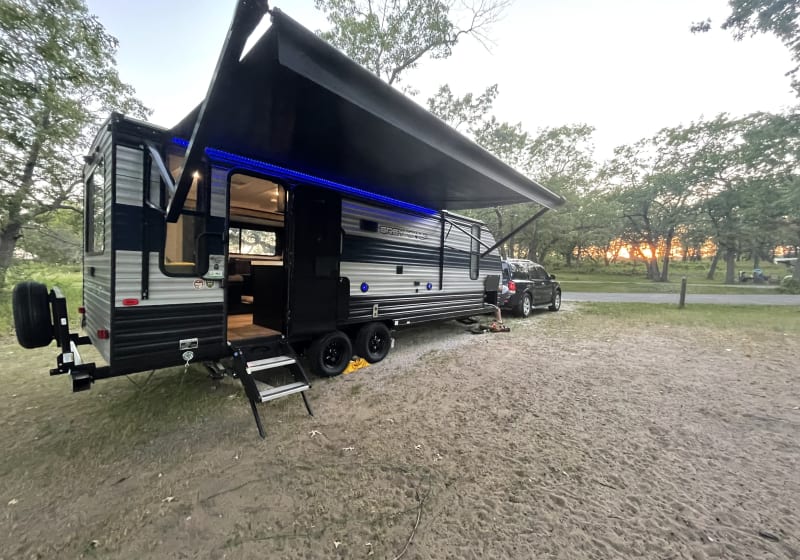
A travel trailer hitches to a ball on the back of your pickup or SUV. Sizes run from small teardrops for two to family bunkhouse floor plans over 30 feet long, many with slide-outs. Unhitch at camp and your tow vehicle is free for trailheads, town and groceries.
Because the hitch sits behind the bumper, the trailer pivots well behind the rear axle. That makes setup and gear important: correct tongue weight and, on most larger trailers, a weight-distribution hitch with sway control.
Start with your vehicle's towing capacity and payload, found on the door sticker and in the owner's manual. Compare them with the trailer's loaded weight, not the empty "dry" weight in the brochure. Tongue weight, usually around 10 to 15 percent of the trailer's weight, counts against payload.
Colorado's mountain grades are hard on engines and brakes. Leave headroom below your limits, and make sure the trailer's electric brakes work with a brake controller in your vehicle.
Bumper-pull trailers are more sensitive to crosswinds and passing trucks than fifth wheels. Proper loading (heavier items low and over the axles), the right tongue weight and sway control make a big difference. Slow down in gusty conditions.
Prefer not to tow? Book an RVRents trailer marked Delivery available, and we bring it to your campsite and set it up.
Straight answers before you book. Always check the specific RV's weights and your vehicle's ratings.


